

Advertising Design: keep a campaign coherent across channels
Advertising Design helps connect the materials people encounter across print, websites, social media and events. The challenge is to make each piece feel part of the same campaign while giving it a format and message suited to where it will appear.
Venture Design & Print creates bespoke advertising for print and digital applications, from magazine adverts and brochures to social graphics and exhibition displays. The Advertising Design service overview explains the range of materials available and how designs can be tailored to a business and its audience.
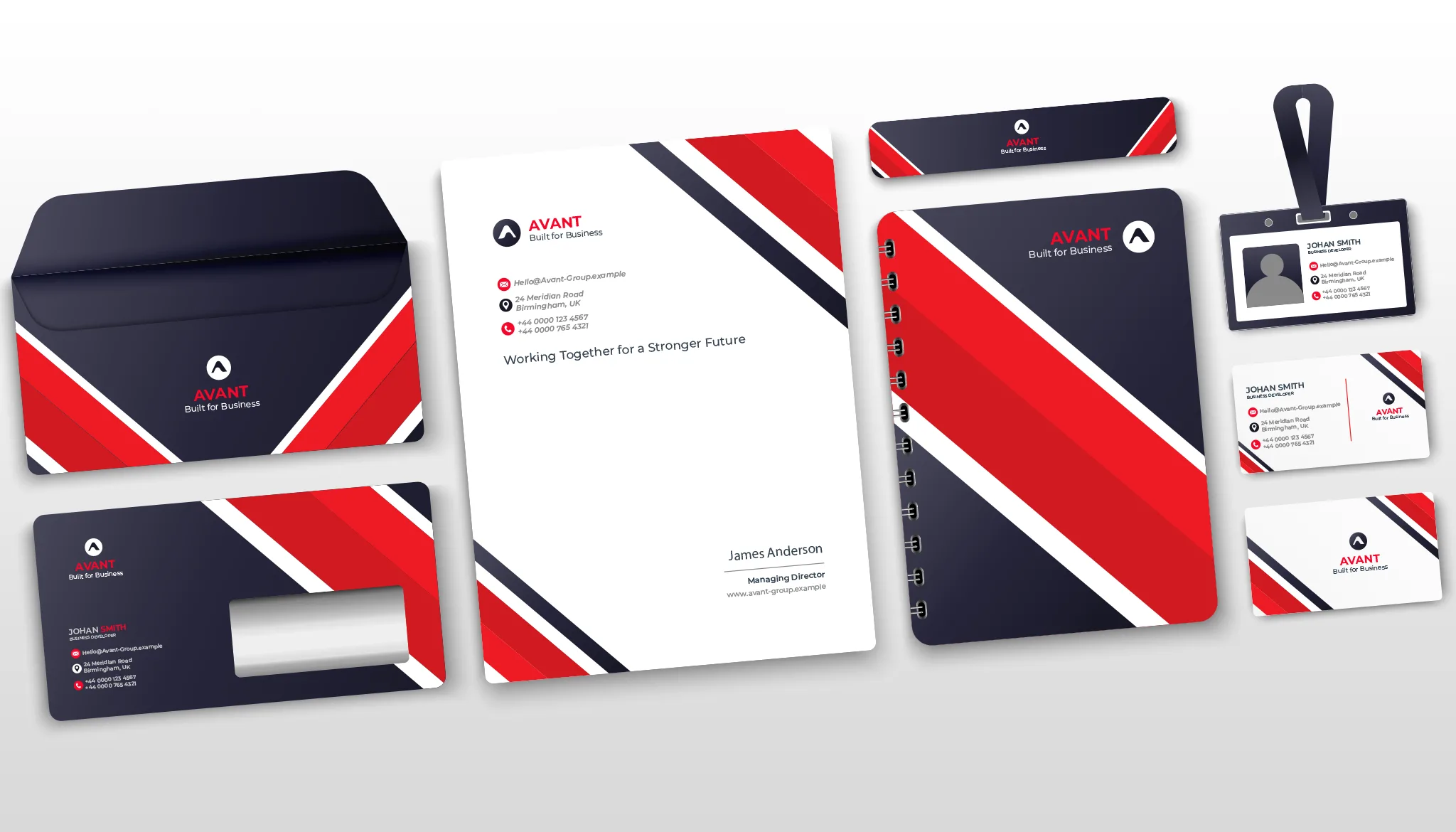
A useful starting point is to think about the campaign as a set of related communications, not one design copied unchanged everywhere. A printed leaflet, a social graphic and an exhibition display have different jobs and viewing contexts. They can share a visual identity and central message, while adjusting the content and layout to suit each format.
Planning Advertising Design around each placement
Set the message before choosing the formats
Before commissioning creative, clarify what the advertising needs to communicate and what you want the audience to do next. A product launch, a seasonal promotion and a general introduction to a business may need different messages. Keeping that purpose clear helps the campaign stay focused as it moves between channels.
Consider who the material is intended to reach, too. The source content describes advertising for small and growing businesses, established companies, retail and ecommerce businesses, and professional or technical organisations. A business with a complex service, for example, may need a clear explanation; a promotion may need to make its main offer easy to notice. The design should reflect the intended audience and marketing objective rather than rely on a generic template.
Choose formats that serve a real purpose
Match the format to how and where people will encounter the campaign. Print options include magazine and newspaper adverts, leaflets, flyers, brochures and promotional literature. Digital work can include website graphics, online promotions and display advertising. Social media graphics, exhibition materials, posters, banners, window graphics and vehicle artwork are other possibilities described by the service.
There is no need to use every format in every campaign. Select the materials that fit the promotion and its intended touchpoints. If you need a single advert, that can be approached as a standalone project; if you need several pieces, consider how they can work together under one visual identity. This is the practical value of Advertising Design planned across channels: the work can be coordinated without treating every placement as identical.
Keep the identity recognisable, not rigid
Consistency does not mean forcing the same layout into every space. Social platforms, printed literature and display materials have different formats. The campaign can retain recognisable branding and a clear central message while adjusting its composition and content for each application. This helps avoid a collection of unrelated-looking materials, while making room for the requirements of each placement.
If your business already has a logo and established visual identity, advertising can be designed to follow them. Share the relevant brand materials and explain what should remain consistent. If the campaign includes print, discuss how the artwork will be prepared for commercial production; the source service information notes considerations such as bleed, image resolution, colour and finished artwork size.
Think through the customer touchpoints
List where a potential customer might see the campaign: perhaps in a printed brochure, on a social platform, on a website or at an event. Then check that the design communicates the same core idea at each point. An exhibition display may need to attract attention in its setting, while a brochure can carry more information. The designs should be appropriate to their different roles while still belonging to the same campaign.
For wider campaigns, this coordination can bring print, digital, social media and promotional marketing together. It can also make it easier to keep materials aligned when requirements change, such as for a product launch, an event or a seasonal promotion. The right scope depends on what your business needs; it may be one advert or a group of related pieces.
Questions to resolve before the design begins
To make the brief practical, gather the key information before work starts: the campaign objective, audience, central message, existing branding and intended formats. Note whether the work is for print, digital use or both, and identify any materials that need to be coordinated. These details help shape the design around your business rather than a generic template.
For print, clarify which finished formats are required so artwork can account for production considerations. For social media or other digital placements, identify the platforms and uses the graphics need to support. If you are commissioning several items, say how they relate to one another and which brand elements should carry across the set.
Advertising Design can support a one-off promotion or coordinated materials across multiple touchpoints. Whether you need a single advertisement or a broader campaign, a clear brief gives the design work a useful foundation.
Make your next campaign work as a whole
When print and digital materials are considered together, it becomes easier to plan a consistent visual identity while respecting the needs of each format. Venture Design & Print offers Advertising Design for a range of applications, with the work tailored to the business, audience and marketing objectives. To discuss a project, request an Advertising Design quote.
Frequently Asked Questions
What should I include in an advertising design brief?
Explain the campaign objective, intended audience, main message, existing branding and the formats you need. If you require several pieces, say how they should relate to one another and where they will appear.
Can advertising follow my existing brand identity?
Yes. Advertising can be designed to follow an established logo and visual identity. Provide the relevant brand materials and identify the elements you want to remain consistent.
What should I consider when advertising artwork is for print?
Confirm the intended finished format and discuss production requirements such as bleed, image resolution, colour and artwork size. These considerations help prepare print artwork for commercial production.
Need help with your next graphic design project?
Tell us what you need and we can discuss the most suitable way forward.

Unsure Which Service or Product You Need?
Not sure which quotation form is right for your project? Visit our quote page where you can explore our web design, graphic design and printing services, choose the option that best matches your requirements and request a personalised quotation.

