Corporate Video Planning: What to Decide Before Production

Corporate Video Planning

Corporate Video Planning Starts with a Clear Purpose

Corporate Video Planning begins by deciding what you want people to understand, feel or remember. Venture Design & Print’s corporate video service covers company introductions, product showcases, promotional content, editing and motion graphics.

Before settling on a format, identify the main communication need. Are you introducing your organisation, explaining a service, showing a product or supporting a campaign? A clear priority gives the video a purpose and helps keep its message focused.

It also helps to consider the intended audience and where the video will be seen. A presentation, website, social media post or digital campaign may call for different choices. Corporate Video Planning is easier when the message, audience and intended use are considered together.

Corporate Video Planning: Match the Format to the Job

Corporate video can take several forms. Choosing one starts with the message you need to communicate, rather than with an assumption that every project needs the same style.

Introducing your business or brand

A company or brand video can introduce your organisation, its personality and what makes it different. Think about what a new customer should understand about your business after watching. That gives the introduction a useful focus instead of leaving it as a general overview.

Showing a product or service

A product or service video can present features and benefits visually. Consider which parts are most important for viewers to understand. If there is a process or idea that is difficult to describe in text alone, video combined with graphics or animation may help communicate it more clearly.

Supporting a promotion or campaign

Promotional video can be developed for websites, social media, presentations and other promotional activity. Think about how the video relates to the wider campaign and what role it should play. A defined purpose helps connect the moving image with other communication, rather than treating it as a standalone asset.

Editing footage or adding motion graphics

You may already have footage that could be reviewed and, where suitable, edited into more polished content. Editing can involve structure, pacing, transitions and visual refinement. Motion graphics offer another option: animated titles, logos, information or other graphics can reinforce the message and add a branded finish.

Build a Useful Brief Around Four Decisions

A practical Corporate Video Planning brief does not need to start with technical detail. Begin with the decisions that shape the creative direction:

  • Purpose: What should the video communicate, and why is video the right way to communicate it?
  • Audience: Who needs to understand the message?
  • Format: Is the priority a brand introduction, product or service showcase, promotional video, edited footage or motion graphics?
  • Use: Where will the video appear? For digital use, consider the intended platform, dimensions, duration and audience.

These decisions can help distinguish what is essential from what is optional. They also provide a starting point for considering the visual style, message and graphics together, rather than making those choices in isolation.

Keep the Video Connected to Your Brand

Consider how the finished video should relate to your existing visual identity. Logos, colours, typography and other brand elements can be incorporated so the content feels consistent with your wider communications. If other design or marketing materials will appear alongside it, think about how they can work together.

This is particularly useful when the video is part of a broader marketing activity. Branding, graphics and typography can contribute to a coherent presentation, while the storytelling and imagery carry the message. A design-led approach can help bring those elements together without losing sight of the video’s purpose.

Make the Main Message Easy to Follow

Before developing the creative direction, try expressing the central message in one clear sentence. Then identify the information viewers need in order to understand it. This is a useful way to keep a video from trying to introduce a business, explain every service and promote several products all at once.

For a product showcase, for example, the focus might be on explaining selected features and benefits. For a company introduction, it might be helping viewers understand the organisation and its brand. The precise content depends on your aims, but a clear priority gives the imagery, movement, graphics and storytelling something to support.

Discuss Your Corporate Video

Whether you are considering a company introduction, product showcase, promotional video, branded content or edited footage, start with the audience, message and intended use. Those decisions provide a more useful basis for discussing the format and visual approach. To discuss a corporate video with Venture Design & Print, begin with what you need your audience to understand.

Frequently Asked Questions

How do I choose between a brand, product and promotional video?

Start with the main message. A brand video can introduce your organisation, a product or service video can showcase what you offer, and a promotional video can support campaign activity. The audience and intended use can help guide the choice.

Can existing footage be used for a corporate video?

Existing footage can be reviewed and, where suitable, edited into more polished content. Editing may include structure, pacing, transitions, visual refinement, branding, titles or graphics.

What should I consider if the video is for digital use?

Consider the intended platform, dimensions, duration and audience. The format and purpose of the video can help inform how it is developed or adapted for digital use.

Need help with your next graphic design project?

Tell us what you need and we can discuss the most suitable way forward.

Request a Quote

Promotional graphic design, branding, marketing and advertising for both digital and print.

Unsure Which Service or Product You Need?

Not sure which quotation form is right for your project? Visit our quote page where you can explore our web design, graphic design and printing services, choose the option that best matches your requirements and request a personalised quotation.

Request a Quote

Organic T-shirt Printing: Is a Fixed One-Off Option Right?

Organic T-shirt Printing

Organic T-shirt Printing: Is a fixed one-off option right?

Organic T-shirt Printing may suit you when you already know the garment colour, size, print position and quantity you need. This product is a fixed One-Click specification: one white, medium T-shirt with a back print.

Before ordering, check the full white, medium, back-print product details against your requirements. The product page states the specification and provides the straightforward ordering option for this exact version.

What this Organic T-shirt Printing option specifies

The listed choices are specific: the colour is white, the size is medium, the print position is the back, and the quantity is one. Those details define this product rather than serving as options to customise within the listing.

That makes this Organic T-shirt Printing option most relevant when a single garment in this exact format is what you want. It may also help you decide whether the listed product matches a requirement for a team, event or organisation: compare the stated quantity, size, colour and print position with what you actually need before placing an order.

Check the four details before ordering

  • Quantity: the listed amount is one.
  • Colour: the garment is specified as white.
  • Size: the listed size is medium.
  • Print position: the specification is for a back print.

For another way to find Venture Design and Print’s business profile, visit Organic T-shirt Printing.

When a tailored quotation makes more sense

A fixed specification is not the same as a request for a different combination. If you need a different quantity, size, material or finish, the product information directs you to the Organic T-shirt Printing quotation product for a tailored quotation. Check which details differ from the listed version so you can describe what you need clearly.

In particular, don’t assume that selecting this product changes its size, colour or print position: those are already set in the product name and specification. If the white, medium, back-print combination is not right for your requirement, use the quotation route rather than treating the fixed listing as a configurable choice.

Understand the print-position wording

“Back print” refers to the selected position for the print. The product note also clarifies that front print and back print refer to print position, while single-sided and double-sided printing, where offered, refer to the number of sides receiving print. These terms describe different aspects, so use the stated back-print specification when checking whether this is the version you want.

Printed organic T-shirts can be used for branded clothing, campaigns, teams and promotional use, according to the product information. The practical decision is whether this particular quantity-one specification fits your intended use—not whether the listing covers every possible garment requirement.

Choose the right next step

If one white, medium T-shirt with a back print matches your requirement, review the fixed product listing and order that specification. If you need a different quantity, size, material or finish, request a printing quote for a tailored quotation instead.

Frequently Asked Questions

Can I use this listing to order more than one T-shirt?

The product specifies a quantity of one. For a different quantity, the product information directs you to the quotation product for a tailored quotation.

Can I change the size, colour or print position on this option?

No changes to those details are stated for this fixed listing: it specifies white, medium and back print. If you need a different size, colour or print position, seek a tailored quotation rather than assuming the listing can be altered.

What is the difference between back print and double-sided printing?

Back print describes the selected print position. The product note says single-sided and double-sided printing, where offered, refer to how many sides receive print. They describe different aspects of a product.

Need help choosing the right print for your project?

Tell us what you need and we can discuss the most suitable way forward.

Request a Quote

Promotional graphic design, branding, marketing and advertising for both digital and print.

Unsure Which Service or Product You Need?

Not sure which quotation form is right for your project? Visit our quote page where you can explore our web design, graphic design and printing services, choose the option that best matches your requirements and request a personalised quotation.

Request a Quote

Zen Cart Web Design: Plan a Store Around Your Products

Zen Cart Web Design

Zen Cart Web Design: Start With the Customer Journey

Zen Cart Web Design works best when the store is planned around what you sell and how customers need to shop. Before settling on layouts or features, consider the products, the way they fit into categories and the information shoppers need to understand them.

For an overview of the service, explore our Zen Cart Web Design service. It covers new stores as well as redesigns and improvements to existing Zen Cart websites, with the work shaped around products, brand and business requirements.

With Zen Cart Web Design, the useful starting point is not a list of features for its own sake. It is a clear picture of the customer journey: how someone arrives, browses, finds a product and completes a purchase. That helps you identify which parts of the store need the most attention.

Clarify what customers need to browse

Make a note of the products you sell and how customers are likely to look for them. A well-organised product and category structure can help shoppers browse and find products, while also making the catalogue more practical for your business to manage. Consider whether your current organisation is clear to someone who has not seen your products before.

Product information matters too. Think about what a customer needs to understand before deciding whether a product is right for them. This gives you a more useful basis for planning product-focused layouts and helps avoid treating every page as a generic template.

Decide what the checkout must support

Online payment functionality is part of the purchasing experience, so identify the payment requirements that matter to your business. The aim is a checkout that gives customers a clear, dependable way to complete a purchase. If you are replacing an existing store, note what currently works and what causes difficulty, rather than assuming every part of the old setup needs to be carried over.

Also consider how customers might use different devices. Responsive layouts can help people browse products, navigate the store and complete purchases on desktop computers, tablets and smartphones. Thinking about those tasks early keeps mobile use in view alongside the overall appearance of the store.

Zen Cart Web Design: Turn Requirements Into a Practical Brief

Once you understand the customer journey, turn your observations into a short project brief. It does not need to prescribe every design detail. It should explain what you sell, who the store needs to serve and what the website should help customers do.

Separate essential needs from future ideas

List the requirements for the store you need now, then note possible future additions separately. A Zen Cart store can be developed around current requirements with scope for further products, functionality and improvements as an online business grows. Separating present needs from later possibilities helps keep the initial brief focused without ignoring future development.

For an existing store, describe what you want to improve. That might include its appearance, usability, performance or functionality. The work required will depend on the condition and technical setup of the website, so describing the issue is more helpful than assuming a particular fix.

Include the foundations as well as the design

A practical brief should consider more than how the store looks. Product and category management, payment integration, mobile-friendly layouts and search-friendly foundations can all be relevant parts of an ecommerce project. Which elements matter most depends on your products, customers and commercial requirements.

It is also worth considering what support you may need after launch. Website maintenance, upgrades, hosting and further improvements can be relevant as an online store develops. Identifying these needs helps you discuss the wider requirements of the project, rather than focusing only on the initial design.

What to prepare before discussing the project

Before requesting a quotation, gather a concise description of your products and the way you want customers to shop. Include any priorities for categories, product information, payments and mobile use. If you already have a Zen Cart website, explain what you want to change and any functionality or store information that needs to be considered.

This preparation gives a clearer basis for discussing a store tailored to your business. It also helps distinguish between launching a new shop, improving an existing one and planning for additional functionality as the business develops.

Discuss your Zen Cart store

Whether you are starting an ecommerce business or reviewing an established store, Zen Cart Web Design should reflect your products, customers and business requirements. Request a web design quote and explain what you sell, what you want the store to do and which areas need attention.

Frequently Asked Questions

What should I prepare before discussing a Zen Cart store?

Prepare a description of your products, how you want customers to browse and any requirements for categories, product information, payments or mobile use. For an existing store, note what you want to improve.

Can an existing Zen Cart website be redesigned?

Yes. Existing stores can be reviewed when their appearance, usability, performance or functionality no longer meets business or customer needs. The work required depends on the website’s condition and technical setup.

Can a Zen Cart store accommodate future needs?

A store can be developed around current requirements while allowing scope for additional products, functionality and improvements as the online business grows. It can help to describe future ideas separately from the needs of the initial project.

Need help with your website project?

Tell us what you need and we can discuss the most suitable way forward.

Request a Quote

Promotional graphic design, branding, marketing and advertising for both digital and print.

Unsure Which Service or Product You Need?

Not sure which quotation form is right for your project? Visit our quote page where you can explore our web design, graphic design and printing services, choose the option that best matches your requirements and request a personalised quotation.
Request a Quote

Print Artwork Quote: What Information Should You Provide?

Print Artwork Quote

What to tell us when requesting a Print Artwork Quote

Print Artwork Quote requests are easier to assess when the brief explains your business, the printed materials you need and the artwork you want created. A little preparation can help you describe the project clearly and make your quotation more relevant to your requirements.

If you are ready to enquire, start with the print artwork quotation page. The form is designed to help Venture Design and Print understand your business, marketing requirements and artwork needs, rather than fit every project into a one-size-fits-all package.

Before filling it in, consider the points below. You do not need to turn them into a formal design brief: the aim is to give a clear picture of what you need and why. These considerations also apply when planning Print Artwork Quotes.

Describe your business and marketing requirement

Begin with a short explanation of your business and what the printed material is intended to support. The source form asks about your business and marketing requirements, so explain the context that matters to this project. For example, say whether you need materials to promote a product or service, or describe the message you want the design to communicate.

This context helps distinguish the requested artwork from a simple list of deliverables. It also gives the team a basis for considering a suitable print artwork solution for your business.

Name the materials you need

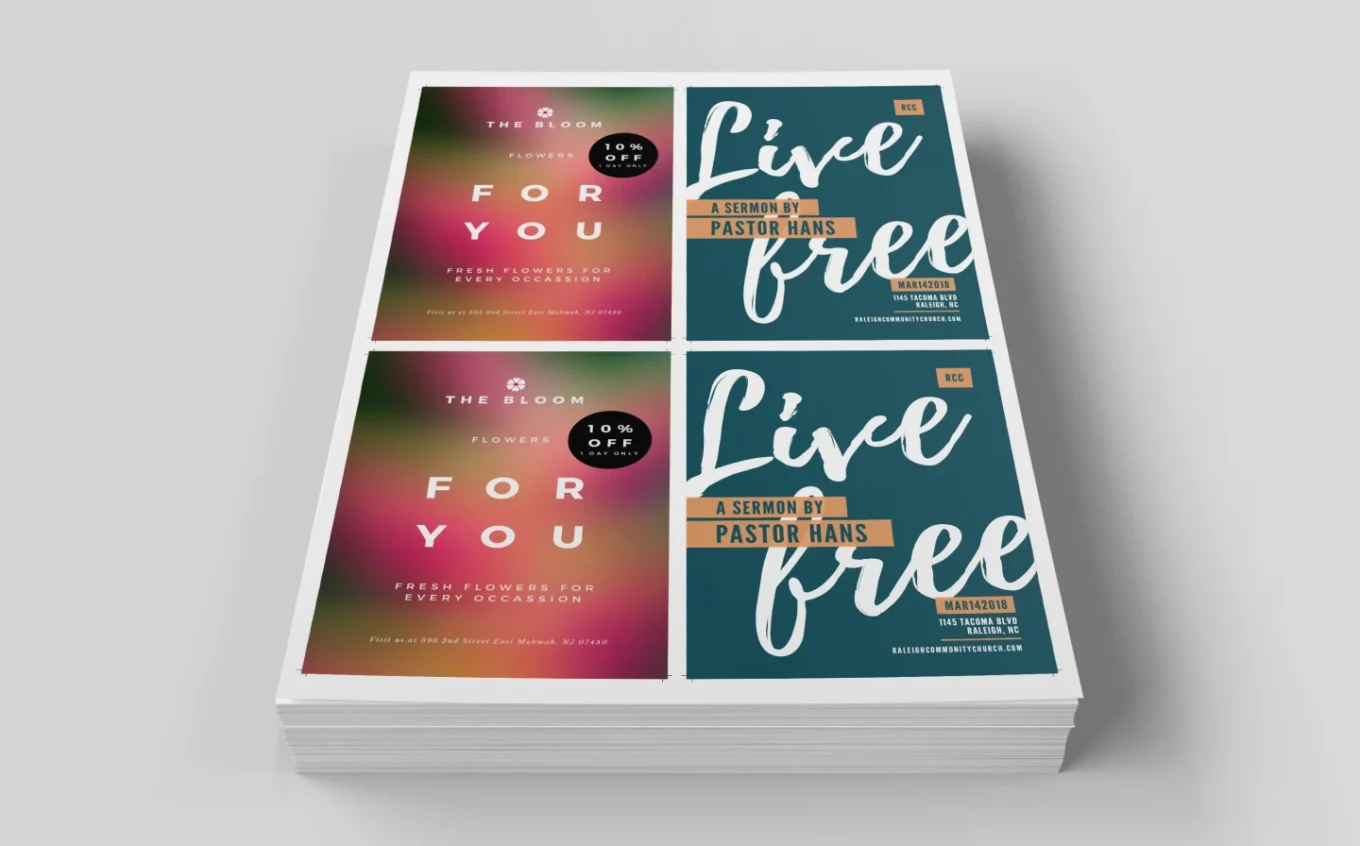
Be specific about the printed items in your project. The service page gives examples including brochures, flyers, leaflets, business cards, posters, signage and promotional materials. If you need more than one type, list each one so the scope is easier to understand.

A Print Artwork Quote can be tailored to the materials you require, so naming them is more helpful than simply saying you need “marketing materials”. If you are still working out the details, say what you know and identify what remains undecided.

Explain what artwork is required

Clarify whether you need artwork created, existing material prepared as print-ready files, or a layout designed. These are examples of print artwork needs described by the service. If your project involves more than one of them, explain that in your request.

It can also help to say whether branding consistency is part of the brief or whether you are looking for support with marketing materials or digital design. The service page lists these among the areas the team may consider when recommending a solution. Avoid assuming that a particular deliverable is included: describe your needs so they can be assessed.

How a Print Artwork Quote can reflect your project

Every print project is different. The more relevant information you provide about your business, materials and artwork, the more accurate and detailed your quotation can be. That does not mean you need to have every decision made before asking. A clear account of what you know, alongside any requirements that are still open, is a useful starting point.

Think about the overall scope

Check that your request covers all the printed materials you want considered and the kinds of design support you are seeking. If your brief includes layout design as well as print-ready file preparation, mention both. If you want branding consistency across several items, state that too. This helps the team understand the project as a whole rather than assess each item without its context.

There is no need to make assumptions about the recommended solution. The purpose of explaining your requirements is to give Venture Design and Print the information needed to consider what may be suitable for your business and marketing needs.

Know what the quotation is intended to set out

After you complete the form, the source page says Venture Design and Print will prepare a bespoke quotation outlining the recommended solution, project timescales and transparent pricing. There is no obligation to proceed. The quotation is therefore a way to understand the proposed approach and its stated terms before deciding what to do next.

For a clearer request, keep your description focused: what your business needs, which printed materials are involved, and what artwork or design support you are looking for. That is more useful than adding detail unrelated to the project.

Ready to describe your project?

Use the get a quote form to share your print artwork requirements. Include the materials you need and the artwork involved, then the team can prepare a personalised quotation based on the information provided.

Frequently Asked Questions

What information should I include in a print artwork enquiry?

Explain your business and marketing requirements, name the printed materials you need, and describe the artwork or design support involved. The more relevant detail you provide, the more accurate and detailed the quotation can be.

Which types of printed materials can I mention?

The service page lists brochures, flyers, leaflets, business cards, posters, signage and promotional materials as examples. If you need several types, include each in your description.

Do I need to have every project detail decided before enquiring?

The source page does not say that every detail must be finalised. You can describe what you know about your business, materials and artwork needs, and make clear which parts are still undecided.

Am I obliged to proceed after receiving a quotation?

No. The source page says the bespoke quotation is provided with no obligation to proceed.

Need help with your next graphic design project?

Tell us what you need and we can discuss the most suitable way forward.

Request a Quote

Promotional graphic design, branding, marketing and advertising for both digital and print.

Unsure Which Service or Product You Need?

Not sure which quotation form is right for your project? Visit our quote page where you can explore our web design, graphic design and printing services, choose the option that best matches your requirements and request a personalised quotation.
Request a Quote

B2 Flat Sheet Printing: Is an Unfinished Sheet Right for Your Workflow?

B2 Flat Sheet Printing

B2 Flat Sheet Printing: What This Order Includes

B2 Flat Sheet Printing can suit a team that already has a plan for finishing printed sheets in-house. This fixed-specification option supplies 1,000 B2 sheets measuring 707 × 500mm, printed full colour on both sides on 350gsm silk stock. See the B2 350gsm silk flat sheet specification before deciding whether it matches your production needs.

The important distinction is that these are flat, unfinished sheets, rather than a finished item ready for distribution. B2 Flat Sheet Printing is a defined option for customers who know the sheet size, stock, printed sides and quantity they need.

Is B2 Flat Sheet Printing a Match for Your Finishing Workflow?

Choose this format with your next production step in mind. The sheets are supplied without lamination or special finishes, leaving final trimming, folding, binding, mounting or other in-house finishing to you. That makes the order worth considering when you have a specific process planned and want the printed sheets supplied before that stage.

Before ordering, check that the B2 sheet size and 350gsm silk stock suit the job, that 1,000 sheets is the required quantity, and that printing both sides is appropriate for your artwork. The product specification fixes those details; it is not a configurable order where you select a different size or quantity on the page.

Plan for the sheets as supplied

Think through how your design will work on both printed sides and how you intend to convert the flat sheet into its final format. For example, if your process involves folding or trimming, consider those steps when preparing the artwork and planning the finished layout. The product itself does not include those finishing operations.

The product notes that printing is on white stock unless stated otherwise. It also clarifies that double-sided printing means both sides are printed. This can help avoid confusing a flat sheet order with a single-sided job or assuming an unprinted reverse.

When a fixed specification may not suit

This option is most straightforward when the listed specification already matches your requirements. If you need a different flat-sheet configuration, the product information directs you to request a custom quote rather than treating this fixed-specification order as adjustable.

In short, B2 Flat Sheet Printing is an option to consider when you need 1,000 full-colour, double-sided B2 sheets on 350gsm silk and will handle the finishing yourself. If you need a different configuration, request a printing quote to discuss your requirements.

Frequently Asked Questions

What does unfinished mean for these B2 sheets?

The sheets are supplied without lamination or special finishes. You handle any final trimming, folding, binding, mounting or other in-house finishing.

Are both sides printed?

Yes. The specification is for full-colour printing on both sides of the sheets.

Can I choose a different sheet size or quantity?

This is a fixed-specification option for 1,000 B2 sheets. The product information directs customers who need a different flat-sheet configuration to request a custom quote.

Need help choosing the right print for your project?

Tell us what you need and we can discuss the most suitable way forward.

Request a Quote

Promotional graphic design, branding, marketing and advertising for both digital and print.

Unsure Which Service or Product You Need?

Not sure which quotation form is right for your project? Visit our quote page where you can explore our web design, graphic design and printing services, choose the option that best matches your requirements and request a personalised quotation.

Request a Quote

Woocommerce Web Design: Plan the Right Store Before You Request a Quote

Woocommerce Web Design

Woocommerce Web Design: Start With the Store’s Purpose

Woocommerce Web Design planning is easier when you can explain what your online store needs to do for your business. Before requesting a quote, think about whether you are launching a new store, upgrading an existing shop or adding ecommerce functionality to a WordPress website.

These are different starting points, so explain which one applies and what you want to achieve. The Woocommerce Web Design Quote page describes the personalised quotation process and the kind of project information that can help shape a recommendation.

Woocommerce Web Design: Define What the Store Must Do

Begin with your business objectives and the products you intend to sell. You do not need to arrive with a finished technical plan. A useful starting point is to describe the role you want the online store to play and the main requirements it must meet. This gives the team context for recommending a suitable WooCommerce solution.

Then consider the functions you want the website to include. The source service information identifies product management and secure payment gateway integration among the possible requirements, alongside custom WooCommerce development. If you already know that one of these is important, say so. If you are unsure, describe the need rather than guessing at the technical answer.

For example, distinguish between a feature that is essential for your store and one you are considering for later. This is a planning prompt, not a prescribed technical specification: the aim is to make your priorities clear so they can be discussed when the requirements are reviewed.

Explain the starting point clearly

If you are launching a new shop, say that the project is for a brand-new WooCommerce website. If you already have an online shop, explain that you are looking to upgrade it. If your current site is a WordPress website design without the ecommerce functionality you need, describe what you want to add. That distinction helps frame the work before recommendations are made.

When you contact Venture Design and Print about Woocommerce Web Design, include the information you have about your products, business objectives and ecommerce requirements. More detail can support a more accurate and detailed quotation, while an honest note about anything you have not decided yet is more useful than inventing a requirement.

Include relevant design and development needs

Your brief can also mention the wider parts of the website you want considered. The service information includes responsive web design, HTML and CSS coding, PHP development, search engine optimisation (SEO) and managed website hosting. These are examples of areas to raise if they relate to your project; they are not a checklist every store must request.

Keep your priorities tied to your business and store. If you want to upgrade an existing shop, for instance, explain the outcome you are seeking and any functionality you want the revised website to include. For a new store, describe the products and requirements you already know. This makes it easier to discuss a solution that is appropriate to the project rather than starting from a one-size-fits-all package.

What to Expect From a Personalised WooCommerce Quote

The quotation process is intended to take account of your products, business objectives and ecommerce requirements. Once the team understands those details, it can recommend a suitable WooCommerce solution. The quote is described as outlining the recommended solution, project timescales and transparent pricing, with no obligation to proceed.

Before submitting your request, take a moment to check that you have explained the project type, the purpose of the store and the functionality you know you need. You can also identify areas where you would welcome a recommendation. That gives the discussion a useful starting point without requiring you to settle every technical detail in advance.

When you are ready, request a Woocommerce Web Design quote with the information you have. A clear outline of your requirements gives the team a basis for preparing a personalised quotation for your online store.

Frequently Asked Questions

What should I explain when asking for a WooCommerce quote?

Describe whether you are planning a new store, upgrading an existing shop or adding ecommerce functionality to a WordPress website. Include your products, business objectives and any functionality you already know you need.

Do I need to know exactly which WooCommerce features I need?

No. Explain the requirements you know about and flag anything you are unsure of. The team can use the information about your business and store to recommend a suitable solution.

What does the WooCommerce quote outline?

The source page says the personalised quotation outlines the recommended solution, project timescales and transparent pricing. There is no obligation to proceed.

Need help with your website project?

Tell us what you need and we can discuss the most suitable way forward.

Request a Quote

Promotional graphic design, branding, marketing and advertising for both digital and print.

Unsure Which Service or Product You Need?

Not sure which quotation form is right for your project? Visit our quote page where you can explore our web design, graphic design and printing services, choose the option that best matches your requirements and request a personalised quotation.

Request a Quote

Brand Identity Design: Keep Every Customer Touchpoint Consistent

Brand Identity Design

Brand Identity Design: Where Should Your Visual Identity Stay Consistent?

Brand Identity Design helps bring the visual parts of a business together, so customers encounter a recognisable identity across its communications. A logo matters, but so do colour, typography and the way these elements are used on websites, printed materials, advertising and social media.

If your business is establishing an identity, refreshing an existing one or bringing inconsistent materials together, start by considering the places customers see your brand. Our professional branding design service brings visual identity, guidelines and supporting materials into one tailored project.

Consistency does not mean making every communication identical. It means giving the elements of your identity a clear, coordinated role wherever they appear. A considered Brand Identity Design project can provide a foundation for current marketing and future applications as your organisation develops.

Brand Identity Design Across Print and Digital

A visual identity may appear in very different contexts: on a website, a business card, an advertisement or a social media graphic. Thinking about those applications early helps you decide which elements need to work together and what guidance will help keep them aligned.

For a practical starting point, list the materials your business already uses and the communications it expects to develop. Consider whether your logo, colours and typography feel consistent across those items. Note where an existing design no longer reflects the business, or where guidance is unclear. This review can help you distinguish between an identity that needs refreshing and one that mainly needs more consistent application.

Review the identity as a complete system

Look beyond the logo on its own. Consider the overall visual impression created by your logo, colour choices, typography and graphic style. Ask whether those elements reflect your business personality and audience, and whether they feel appropriate across both print and digital uses.

If the business has changed, an existing identity may need to develop with it. A refresh can retain appropriate elements of established brand recognition while making the visual communications more contemporary and consistent. If you are building a new business, the same review helps establish a coherent starting point rather than treating each new marketing item as a separate design decision.

Decide what guidance your team needs

Brand guidelines can document how to use a logo, colours, typography and other visual elements. That guidance can help people applying the identity understand how to keep materials consistent as marketing develops. The right level of detail depends on the individual business and its requirements, so identify which elements need clear direction rather than assuming every project needs the same set of rules.

When planning Brand Identity Design, consider the materials that are most relevant to your organisation: perhaps business stationery, advertising, printed literature, a website or social media graphics. A tailored identity can include supporting materials and digital brand assets suited to those applications. You can also discuss how the visual identity might be carried into new communications over time.

Questions to Settle Before You Commission a Brand

Before starting, be ready to describe your business, its personality and the audience you want to reach. Think about what is working in your current identity, what feels inconsistent and where the branding needs to appear. These points give the project a useful focus without assuming that every business needs the same visual elements.

It is also helpful to consider whether you are creating a new identity, improving an established one or organising an identity for a growing organisation. The purpose of the work affects which elements and applications deserve attention. For further inspiration on establishing a new business identity in stages, see our guide to building a start-up brand in stages.

A clear brief can connect the visual decisions to real uses: how the identity should represent the business, which materials matter now and how it should remain consistent as marketing develops. If you would like to discuss a project, Brand Identity Design can be explored with Venture Design & Print.

Whether you are creating a new identity or bringing existing communications into line, the aim is a visual system that reflects your organisation and works across the places your customers encounter it. Get a branding design quote to discuss the requirements for your project.

Frequently Asked Questions

What should I prepare before discussing a branding project?

Be ready to describe your business, its personality and audience, along with the materials where your identity needs to appear. If you have existing branding, note what you would like to retain and what no longer feels right.

Can a refreshed identity retain familiar elements?

Yes. Existing branding can be reviewed and developed while retaining appropriate elements of established brand recognition. The aim is to create a more contemporary and consistent identity that reflects the business.

Do I need brand guidelines if I already have a logo?

Guidelines can explain how your logo, colours, typography and other visual elements should be used. They help provide direction when applying the identity across different marketing materials.

Need help with your next graphic design project?

Tell us what you need and we can discuss the most suitable way forward.

Request a Quote

Promotional graphic design, branding, marketing and advertising for both digital and print.

Unsure Which Service or Product You Need?

Not sure which quotation form is right for your project? Visit our quote page where you can explore our web design, graphic design and printing services, choose the option that best matches your requirements and request a personalised quotation.
Request a Quote

Clear Vinyl Window Stickers: Is This A2 Option Right for Your Display?

Clear Vinyl Window Stickers

Clear Vinyl Window Stickers: what this A2 option includes

Clear Vinyl Window Stickers can make use of glazed surfaces for promotions or branded displays. This fixed-specification option is A2 (420 x 594mm), supplied as a quantity of two, and is configured as clear semi-permanent vinyl, reverse printed, with selective white ink, a matt finish and square corners.

If you are comparing the details before ordering, the A2 clear vinyl sticker product page sets out the complete fixed specification. It is intended as a straightforward option when those choices already match your requirements, rather than a product to configure size, material or finish individually.

The product description identifies shop windows, doors, glazing, promotions and branded displays as potential uses for window vinyl. Before choosing this option, consider the surface and the intended viewing arrangement, then check that the specified size and print direction suit the job. The source identifies the print direction as reverse printed, but does not provide a viewing-side diagram, so confirm that detail if the direction is important to your installation. These considerations also apply when planning Clear Vinyl Window Stickers.

Clear Vinyl Window Stickers: check the specification before ordering

Size and quantity

The format is A2, stated as 420 x 594mm, and the order quantity is fixed at two. Check that this size and quantity suit the space and the number of graphics you need. If you need a different size or quantity, this particular One-Click product is not presented as a configurable option; the product information directs customers with different requirements towards a bespoke quote.

Material and print direction

The material is listed as Clear (Semi-Permanent), and the print direction is listed as reverse printed. These are specific product choices, not general promises about how every window sticker behaves. The product information does not state a removal method or duration for the semi-permanent material. If you need to understand removal or have a particular installation in mind, seek clarification before placing an order.

Reverse printed is the stated print direction, while selective white ink is also part of this specification. The source does not explain the artwork treatment or viewing effect in further detail. If you are preparing artwork, or need to know exactly how the white ink will be used on your design, confirm those requirements before proceeding rather than assuming a particular result.

Finish and corners

This option specifies matt lamination and square corners. These details can help distinguish it from a different finish or cut when comparing products or reordering. Check that both are the choices you want; neither is described here as an optional setting within this fixed product.

The product’s print note says that, unless stated otherwise, products are printed on white stock or material. It also explains that single-sided printing leaves the other side white and unprinted, while double-sided printing means both sides are printed. This listing specifically names clear vinyl, reverse printing and selective white ink. Do not treat the general note as a replacement for checking the product-specific details if the printed sides or appearance are important to your project.

For another look at the product details, Clear Vinyl Window Stickers is the relevant business profile link. The key decision is whether the fixed combination—A2 size, quantity two, clear semi-permanent material, reverse printing, selective white ink, matt finish and square corners—matches your intended use.

If you need a different size, quantity, material or finish, you can request a printing quote to discuss a bespoke requirement.

Frequently Asked Questions

Can I change the size or quantity on this product?

No. The listed option is a fixed A2 (420 x 594mm) specification with a quantity of two. The product information directs customers needing a different size or quantity towards a bespoke quote.

Does “semi-permanent” specify how or when the sticker can be removed?

The product identifies the material as Clear (Semi-Permanent), but the supplied information does not state a removal method or duration. If either matters for your surface or project, ask for clarification before ordering.

Does the product information explain how the reverse printing and selective white ink will look?

It lists the print direction as reverse printed and the white ink as selective, but does not describe the artwork treatment or viewing effect. Confirm those details if they are important to your design or installation.

Need help choosing the right print for your project?

Tell us what you need and we can discuss the most suitable way forward.

Request a Quote

Promotional graphic design, branding, marketing and advertising for both digital and print.

Unsure Which Service or Product You Need?

Not sure which quotation form is right for your project? Visit our quote page where you can explore our web design, graphic design and printing services, choose the option that best matches your requirements and request a personalised quotation.
Request a Quote

Website Planning For Bourne Businesses: Start With Customer Tasks

Website Planning For Bourne Businesses

Website Planning For Bourne Businesses: Start With the Customer

Website Planning For Bourne Businesses begins with a simple question: what should a visitor be able to understand or do? Before choosing layouts or features, consider the people you want to reach and the information they need. Venture Design and Print’s web design information for Bourne businesses is a useful starting point for considering how a website can support your organisation.

For a second perspective on the service, see Website Planning For Bourne Businesses. The planning itself should be specific to your business: a retailer, manufacturer and professional practice may have different reasons for bringing people to their websites.

Rather than begin with a list of features, write down the main tasks visitors might come to complete. They may want to understand a service, browse products, check business information, or make an enquiry. Website Planning For Bourne Businesses is more useful when it connects those tasks to clear information and a straightforward next step.

Map Visitor Needs to the Right Pages

Make a short list of your key audiences and the questions they are likely to have. Then decide which pages or sections would answer those questions. This gives your website a purpose beyond simply displaying company information, and helps you avoid adding content without a clear reason.

For a service business

Potential clients may need a clear explanation of what you do, who provides the service and how to get in touch. A professional services website might also include staff profiles, testimonials, FAQs or educational resources, depending on what helps customers assess the business.

For a retailer or producer

Consider whether visitors need to see products, learn about your business, find information about visiting, or place orders online. A website can complement a physical shop, while an ecommerce website can support product browsing and online purchasing. The right approach depends on what you offer and how customers buy from you.

For a manufacturer or engineering business

Think about the information customers need before making an enquiry. Service details, product catalogues, project portfolios, case studies or technical documentation may help explain your expertise. Choose content that is relevant to your customers rather than trying to include everything in one place.

Website Planning For Bourne Businesses: Choose Features With a Purpose

Once you know the visitor tasks and the information needed to support them, consider what functionality is appropriate. A straightforward enquiry route may be central to one business; another may need product categories and online ordering. WordPress can provide a flexible foundation for sites that need to develop over time, including adding content or ecommerce functionality as requirements change.

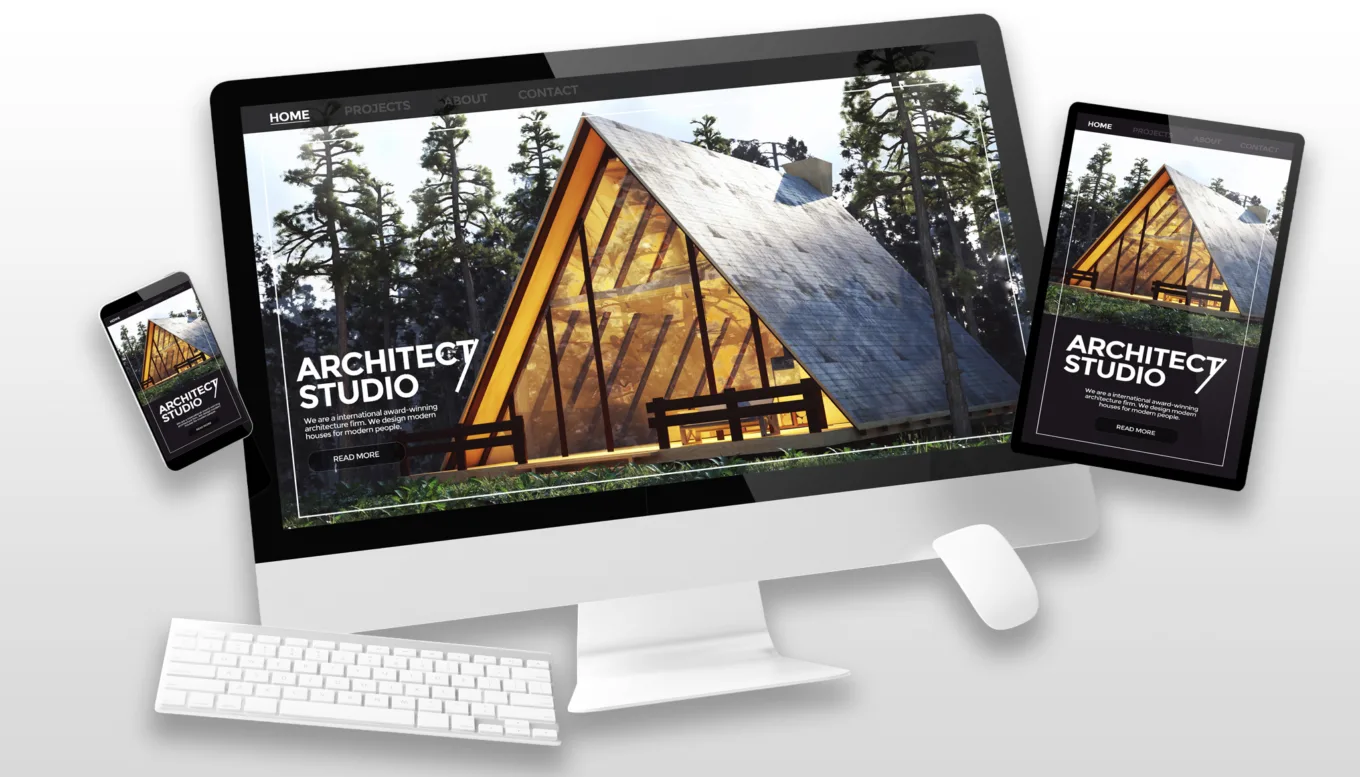
It is also worth considering the devices people use. Responsive design adapts a website to different screen sizes, including phones, tablets and desktop computers. Think about whether text is easy to read, navigation is clear and contact details are easy to find on a smaller screen. These are practical planning questions, not decorative finishing touches.

Keep the intended action clear on each important page. Depending on the page, that could mean getting in touch, requesting a quotation or making a purchase. A visitor should not have to guess what to do next.

Prepare Content Before Design Decisions

Gather the information that will help explain your business: service descriptions, product details, useful photographs, staff information or answers to common customer questions. You do not have to write every final sentence before discussing a website, but knowing what needs to be communicated makes it easier to plan the site structure.

For help thinking through the words and information each page needs, read this guide to website content creation. Clear, organised content can also make it easier to identify gaps—for example, a service page that needs more explanation or a contact route that is not obvious.

Finally, consider how the site may need to change. A business might begin with information pages and later add a blog, customer resources or online selling. Planning for possible growth does not mean adding every feature immediately; it means discussing the requirements that could affect how the site is built.

Turn Your Notes Into a Useful Brief

A concise brief can cover your audiences, their main questions, the pages you think you need, the actions visitors should take and any functionality to discuss. Add examples of what you like or areas of your current website that need attention, if relevant. This gives the design conversation a practical starting point without assuming you already know the technical answer.

Venture Design and Print provides website design services for businesses in Bourne and the surrounding Lincolnshire area, including WordPress development, ecommerce solutions, responsive design, SEO, hosting, maintenance and ongoing digital support. The right combination depends on your business requirements.

If you are ready to discuss your plans, request a web design quote. Sharing what visitors need to do and the information they need to see is a useful first step towards a website planned around your business.

Frequently Asked Questions

Do I need to know exactly what features my website needs before discussing a project?

No. It is useful to describe your customers, the information they need and the actions you want them to take. Those details provide a starting point for discussing suitable pages and functionality.

Should my business website include online selling?

That depends on how customers buy from you. If you want people to browse products and place orders online, ecommerce may be relevant. If your main aim is to explain services and generate enquiries, a different structure may be more appropriate.

What should I prepare before planning website content?

Gather the details customers need to understand your services or products, along with any useful photographs, staff information, FAQs or technical documents. You can then identify what each page needs to communicate.

Why should I consider mobile users when planning a website?

A responsive website adapts to different screen sizes. Planning for mobile use helps you consider whether visitors can read the content, navigate the site and find contact information on a phone or tablet.

Need help with your website project?

Tell us what you need and we can discuss the most suitable way forward.

Request a Quote

Promotional graphic design, branding, marketing and advertising for both digital and print.

Unsure Which Service or Product You Need?

Not sure which quotation form is right for your project? Visit our quote page where you can explore our web design, graphic design and printing services, choose the option that best matches your requirements and request a personalised quotation.

Request a Quote

Graphic Design In Barton-upon-humber: Align Print and Digital

Graphic Design In Barton-upon-humber

Graphic Design In Barton-upon-humber: Start with the customer journey

Graphic Design In Barton-upon-humber can cover more than a single logo. If your business needs several materials, first consider where people encounter your brand and what each design needs to communicate.

The Barton-Upon-Humber graphic design service page describes work ranging from logo design and brand identity to print materials and digital graphics. Thinking about how those pieces relate can help you explain the scope you have in mind.

If you are comparing options or want to find the business profile, Graphic Design In Barton-upon-humber is the relevant profile link.

List the places your design needs to work

Start by noting the materials you already use and the ones you may need. The source page lists business cards, brochures, flyers, banners and packaging alongside digital graphics and marketing materials. You do not need to request everything at once; a clear list gives you a way to distinguish immediate priorities from possible future work.

For each item, consider its purpose. A business card may need to make contact details easy to find, while a brochure may need to present more information. A digital graphic has its own context. These differences can affect what information deserves emphasis, even when all the pieces represent the same business.

Graphic Design In Barton-upon-humber: Choose a useful project scope

Once you have a list, group the work by what it needs to achieve. This makes it easier to describe whether you are looking for a new visual identity, particular print materials, digital graphics, or a combination. The listed services include logo design, brand identity, print design, marketing graphics, digital graphics and packaging design.

Decide whether the brief is about a logo or a wider identity

A logo is one element of a brand’s visual presentation. If the issue is that different materials do not feel related, describe that wider concern rather than treating the logo as the only requirement. The source page includes both logo design and brand identity, so you can explain whether you want to focus on one or discuss a broader set of design needs.

It is also helpful to describe what should remain recognisable across the materials. You might identify the qualities, values or goals you want the design to reflect; the source describes designs as tailored to a business’s goals and brand personality. That context gives the project a clearer direction than a list of formats alone.

Separate essential information from supporting detail

Before briefing print or digital pieces, gather the wording and details each one needs to carry. Mark what must be immediately visible and what can be secondary. This is a practical way to clarify the communication task without dictating a particular layout or visual style.

If several materials are involved, consider whether they need to share the same identity or simply serve related purposes. For example, a flyer and a digital graphic may need to communicate the same campaign information in different settings. Explain the connection between them, and note any differences in audience or purpose that matter to you.

Give the designer useful context

A focused brief can include the reason for the project, the materials you are considering, the audience you want to reach and the impression you hope to make. Mention any existing logo or design material that should inform the work. If you are unsure whether the brief calls for a single item or a broader identity, say so; that uncertainty is useful context too.

For Graphic Design In Barton-upon-humber, the available service categories provide a starting point, not a requirement to commission every type of design. The most useful scope is the one that reflects your actual priorities. A small, clearly defined request can be easier to discuss than an open-ended list of possible materials.

Bring the requirements together before requesting a quote

Before getting in touch, write a short summary of the outcome you want, the items you have in mind and any details the designs need to include. You can then discuss whether the project is centred on a logo, brand identity, print design, marketing graphics, digital graphics or a combination of these listed services.

When your brief is ready—or if you would like to talk through its scope—request a graphic design quote from Venture Design & Print. Sharing the purpose behind the work helps make the conversation about the right design requirements for your business.

Frequently Asked Questions

What should I include in a graphic design brief?

Explain what you want the design to achieve, which materials you are considering, what information they need to include and what impression you want your brand to make. Mention any existing design material that should inform the project.

Should I ask for a logo or a wider brand identity?

That depends on your needs. If you only need a logo, make that clear. If several materials need to feel related, explain that wider aim and discuss whether brand identity work is appropriate.

Can a project include both print and digital design?

The service page lists print design and digital graphics among its design categories. If you need both, mention the materials and their purposes when you discuss your project.

Need help with your next graphic design project?

Tell us what you need and we can discuss the most suitable way forward.

Request a Quote

Promotional graphic design, branding, marketing and advertising for both digital and print.

Unsure Which Service or Product You Need?

Not sure which quotation form is right for your project? Visit our quote page where you can explore our web design, graphic design and printing services, choose the option that best matches your requirements and request a personalised quotation.

Request a Quote