
Website Planning For Bourne Businesses: Start With the Customer
Website Planning For Bourne Businesses begins with a simple question: what should a visitor be able to understand or do? Before choosing layouts or features, consider the people you want to reach and the information they need. Venture Design and Print’s web design information for Bourne businesses is a useful starting point for considering how a website can support your organisation.
For a second perspective on the service, see Website Planning For Bourne Businesses. The planning itself should be specific to your business: a retailer, manufacturer and professional practice may have different reasons for bringing people to their websites.
Rather than begin with a list of features, write down the main tasks visitors might come to complete. They may want to understand a service, browse products, check business information, or make an enquiry. Website Planning For Bourne Businesses is more useful when it connects those tasks to clear information and a straightforward next step.
Map Visitor Needs to the Right Pages
Make a short list of your key audiences and the questions they are likely to have. Then decide which pages or sections would answer those questions. This gives your website a purpose beyond simply displaying company information, and helps you avoid adding content without a clear reason.
For a service business
Potential clients may need a clear explanation of what you do, who provides the service and how to get in touch. A professional services website might also include staff profiles, testimonials, FAQs or educational resources, depending on what helps customers assess the business.
For a retailer or producer
Consider whether visitors need to see products, learn about your business, find information about visiting, or place orders online. A website can complement a physical shop, while an ecommerce website can support product browsing and online purchasing. The right approach depends on what you offer and how customers buy from you.
For a manufacturer or engineering business
Think about the information customers need before making an enquiry. Service details, product catalogues, project portfolios, case studies or technical documentation may help explain your expertise. Choose content that is relevant to your customers rather than trying to include everything in one place.
Website Planning For Bourne Businesses: Choose Features With a Purpose
Once you know the visitor tasks and the information needed to support them, consider what functionality is appropriate. A straightforward enquiry route may be central to one business; another may need product categories and online ordering. WordPress can provide a flexible foundation for sites that need to develop over time, including adding content or ecommerce functionality as requirements change.
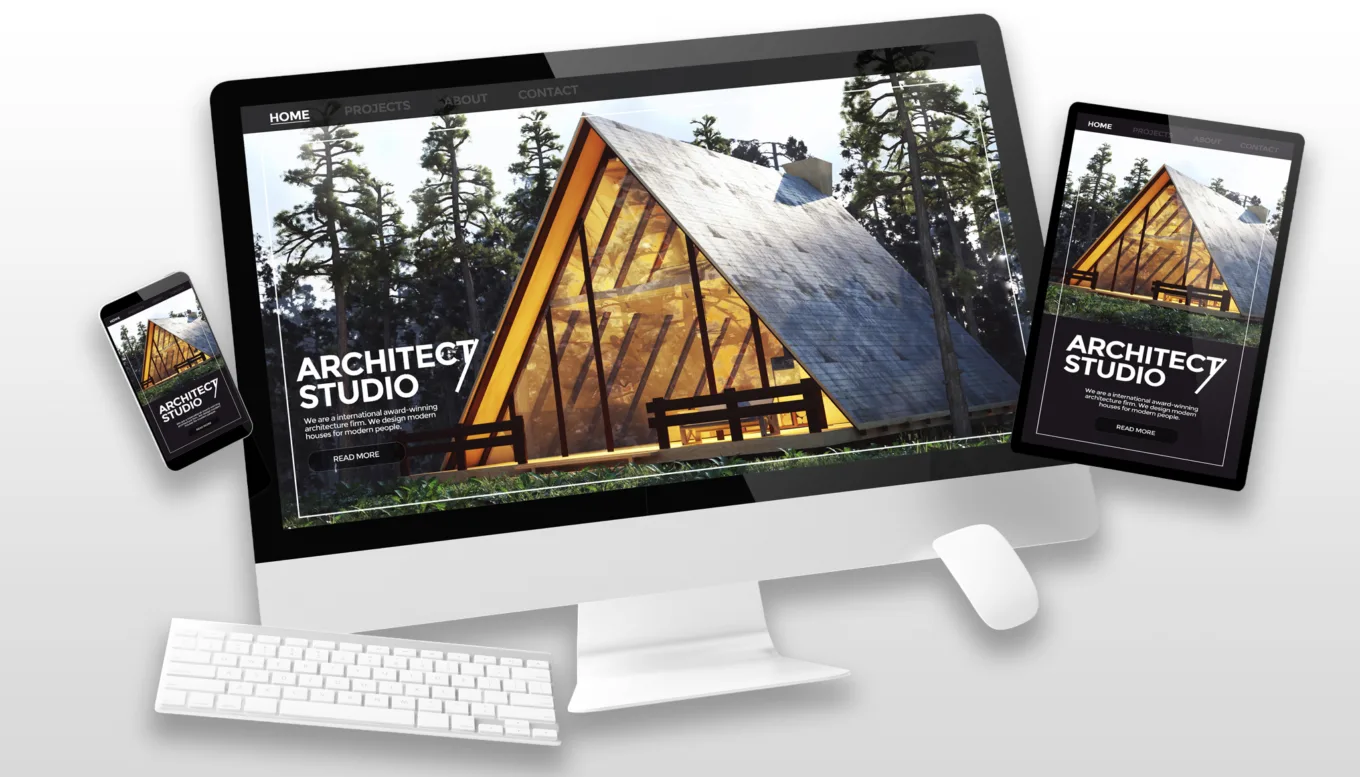
It is also worth considering the devices people use. Responsive design adapts a website to different screen sizes, including phones, tablets and desktop computers. Think about whether text is easy to read, navigation is clear and contact details are easy to find on a smaller screen. These are practical planning questions, not decorative finishing touches.
Keep the intended action clear on each important page. Depending on the page, that could mean getting in touch, requesting a quotation or making a purchase. A visitor should not have to guess what to do next.
Prepare Content Before Design Decisions
Gather the information that will help explain your business: service descriptions, product details, useful photographs, staff information or answers to common customer questions. You do not have to write every final sentence before discussing a website, but knowing what needs to be communicated makes it easier to plan the site structure.
For help thinking through the words and information each page needs, read this guide to website content creation. Clear, organised content can also make it easier to identify gaps—for example, a service page that needs more explanation or a contact route that is not obvious.
Finally, consider how the site may need to change. A business might begin with information pages and later add a blog, customer resources or online selling. Planning for possible growth does not mean adding every feature immediately; it means discussing the requirements that could affect how the site is built.
Turn Your Notes Into a Useful Brief
A concise brief can cover your audiences, their main questions, the pages you think you need, the actions visitors should take and any functionality to discuss. Add examples of what you like or areas of your current website that need attention, if relevant. This gives the design conversation a practical starting point without assuming you already know the technical answer.
Venture Design and Print provides website design services for businesses in Bourne and the surrounding Lincolnshire area, including WordPress development, ecommerce solutions, responsive design, SEO, hosting, maintenance and ongoing digital support. The right combination depends on your business requirements.
If you are ready to discuss your plans, request a web design quote. Sharing what visitors need to do and the information they need to see is a useful first step towards a website planned around your business.
Frequently Asked Questions
Do I need to know exactly what features my website needs before discussing a project?
No. It is useful to describe your customers, the information they need and the actions you want them to take. Those details provide a starting point for discussing suitable pages and functionality.
Should my business website include online selling?
That depends on how customers buy from you. If you want people to browse products and place orders online, ecommerce may be relevant. If your main aim is to explain services and generate enquiries, a different structure may be more appropriate.
What should I prepare before planning website content?
Gather the details customers need to understand your services or products, along with any useful photographs, staff information, FAQs or technical documents. You can then identify what each page needs to communicate.
Why should I consider mobile users when planning a website?
A responsive website adapts to different screen sizes. Planning for mobile use helps you consider whether visitors can read the content, navigate the site and find contact information on a phone or tablet.
Need help with your website project?
Tell us what you need and we can discuss the most suitable way forward.

Unsure Which Service or Product You Need?
Not sure which quotation form is right for your project? Visit our quote page where you can explore our web design, graphic design and printing services, choose the option that best matches your requirements and request a personalised quotation.

